
Every company has a documentary in it.
But almost none of them are filming it.
Knowing the story of how an idea came to life is what make people care about what you're creating. I film and tell the story of what you're building. Then, because almost nobody who can hold a camera can also tell you which story is worth filming in the first place, I help you find the one bold move it should be built around.
Netflix's Beckham reset what a personal brand film could do. Gordon Ramsay's newest documentary exists largely to launch his newest restaurant. Outdoor brand Yeti built an entire content strategy around stories instead of product shots. Small, single-founder startups are now using the same instinct on a fraction of the budget, with great success.
You might have noticed this shift yourself. We are going through a change in what audiences will actually sit through, and what will make them care about products and services. Documentary marketing is already showing up in fundraising decks and sales conversations, not just on Netflix.
Here's the part most people get wrong: building something that makes a big impact doesn't actually take more effort than building something small. It takes the same effort, pointed in a different direction. What it actually costs is more nerve, and a bit more imagination about what's possible for you specifically.
That's the whole premise of how I work. Not "hustle harder." Find the one story and the one move that will work with your unique circumstances, and put real effort behind that instead of behind multiple smaller ones.
We have close relationships with film producers, investors, strategists and people with rare business skills. If your unique strategy calls for something our core team can't do, we will reach out to our expanded network to get it done.
don't
chase
I ran this exact process on myself before I ever offered it to anyone else.
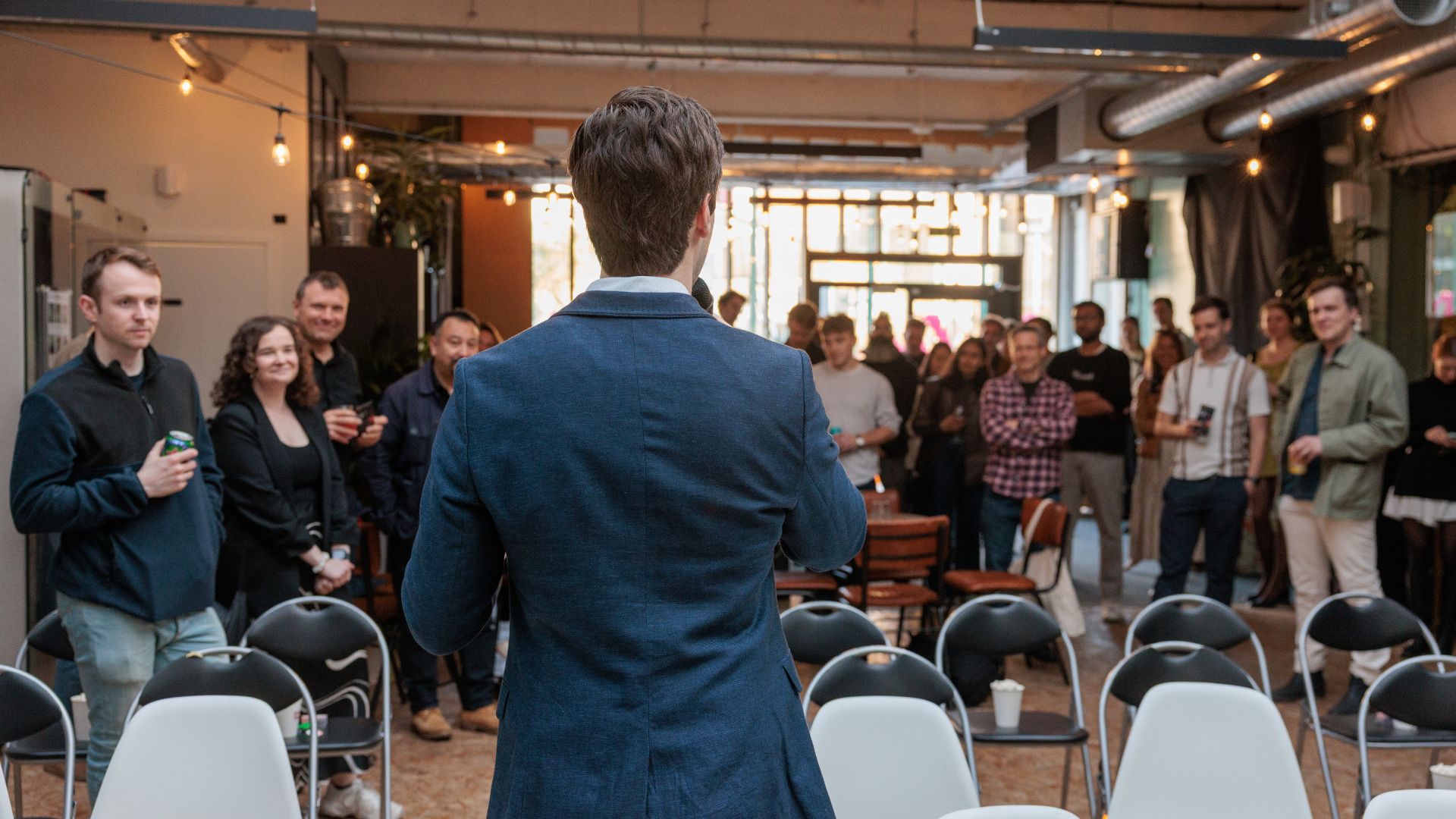
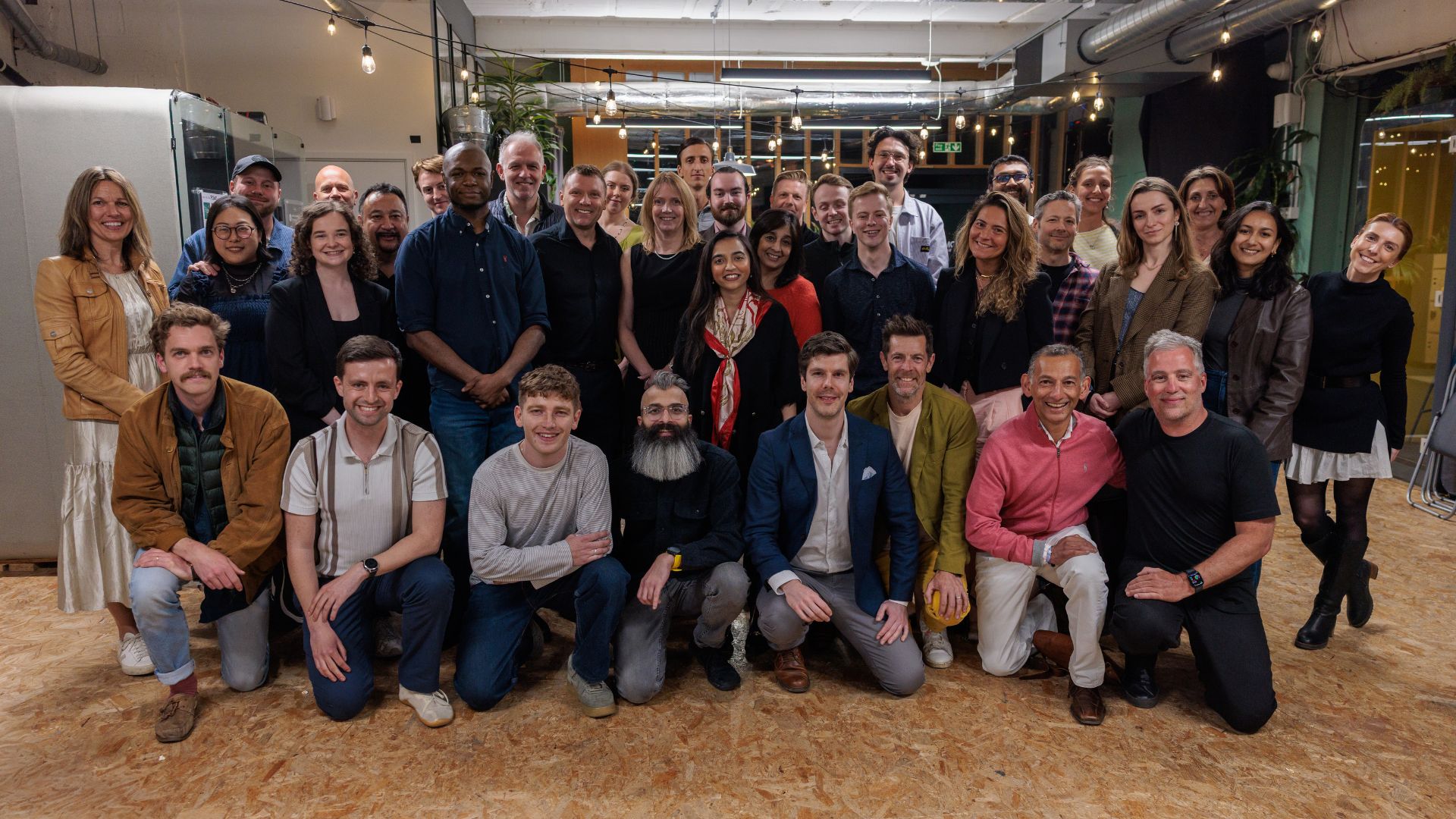
Innovation Secrets: screened live in London, with Shazam co-founder Dhiraj Mukherjee in the room
This was part of my own bold move, filmed and documented, while I was still in the middle of making it.
This works best for founders and business owners who've already built a great product or service, but who still feel oddly invisible next to competitors with a fraction of their substance.
If you're pre-idea, this might still work, as we can document the process of building our your idea. But it takes resources to pull something like this off, and to find out whether you'll be a good fit, let's have a conversation first.